
Health Blog
Mastering Blood Flow Restriction Training: What You Need to Know
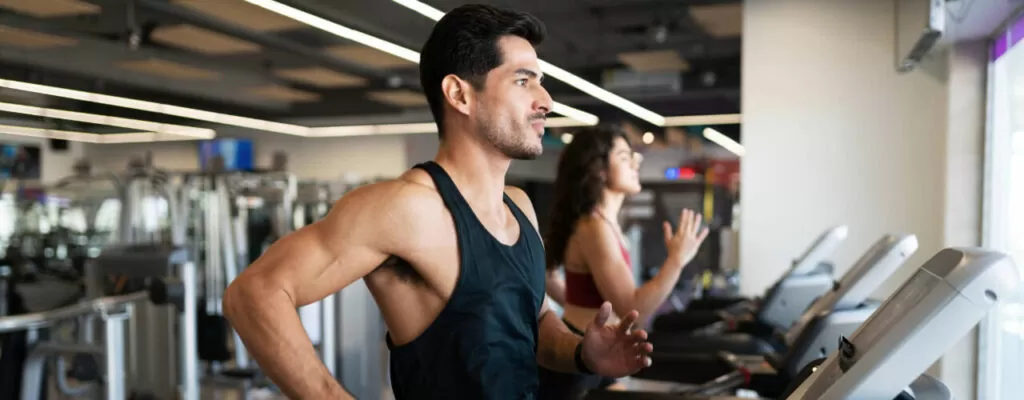
Blood flow restriction training is gaining popularity throughout the world of physical therapy and sports performance. This innovative method helps build strength with lighter weights, making it an effective option for recovery and rehabilitation.
Sounds too good to be true? Don’t worry–plenty of evidence supports blood flow restriction training. To help you better understand this unique approach, the team at has prepared this list of frequently asked questions. Think you might benefit?
Read full blogOvercoming Overuse Injuries with Physical Therapy

Athletes push their bodies to the limit, often repeating the same motions day after day in training and competition. While this dedication builds skill and endurance, it can also lead to overuse injuries in athletes, which occur when repetitive stress on muscles, joints, or tendons results in inflammation, pain, and reduced performance. Without proper intervention, these injuries can worsen, limiting an athlete’s ability to compete and increasing the risk of long-term damage.
Mia (not her real name), a 19-year-old competitive runner, faced this exact challenge.
Read full blogSpeeding Up Rehab: The Impact of Manual Therapy on Injury Recovery

If you’re an active person, an injury can really dampen your lifestyle! Worse, if you don’t rehabilitate it properly, you can risk developing long-term complications. Fortunately, physical therapy offers a comprehensive approach to rehabilitating injuries, including manual therapy for injury recovery.
Today, we want to share the story of Andrew (not his real name), a 35-year-old project manager and avid runner. When Andrew strained his hamstring during a particularly intense run, he turned to the team at to help him get back on his feet.
Read full blogThe Role of Physical Therapy in Post-Surgical Shoulder Surgery Rehab

Recovering from shoulder surgery can be a long and challenging process, requiring patience, commitment, and expert guidance. Many patients assume that surgery alone will fix their shoulder problems, but in reality, post-surgical shoulder rehab is essential for regaining strength, mobility, and function. Without a structured rehabilitation plan, patients may experience stiffness, weakness, or even long-term movement limitations. Physical therapy at plays a crucial role in helping individuals rebuild their shoulder’s stability, restore movement, and prevent future complications.
Read full blogWhy Physical Therapy Is Crucial After a Shoulder Dislocation

A shoulder dislocation can be a painful and limiting injury, affecting everything from daily tasks to sports performance. Once the shoulder joint is displaced, the surrounding ligaments, muscles, and tendons are stretched and weakened, increasing the risk of re-injury. Physical therapy after shoulder dislocation is essential for restoring strength, improving stability, and preventing future dislocations. Without proper rehabilitation, the shoulder may remain unstable, leading to ongoing discomfort and restricted movement.
This deep dive explores why physical therapy plays a key role in recovery, the phases of rehabilitation, and how targeted exercises help patients regain function safely and effectively.
Read full blogWhy Physical Therapy Is Essential After Joint Replacement

Undergoing a joint replacement is a significant step toward improving mobility and reducing chronic pain. However, physical therapy after joint replacement is just as important as the surgery itself. Without structured rehabilitation, stiffness, weakness, and limited range of motion can persist, slowing recovery and affecting long-term outcomes.
Top Questions About Benefits of Physical Therapy After Surgery
1. Why Do I Need Physical Therapy After Joint Replacement?
Physical therapy is essential for:
- Regaining strength and mobility in the replaced joint.
Why Physical Therapy Is Essential for Rotator Cuff Injury Treatment
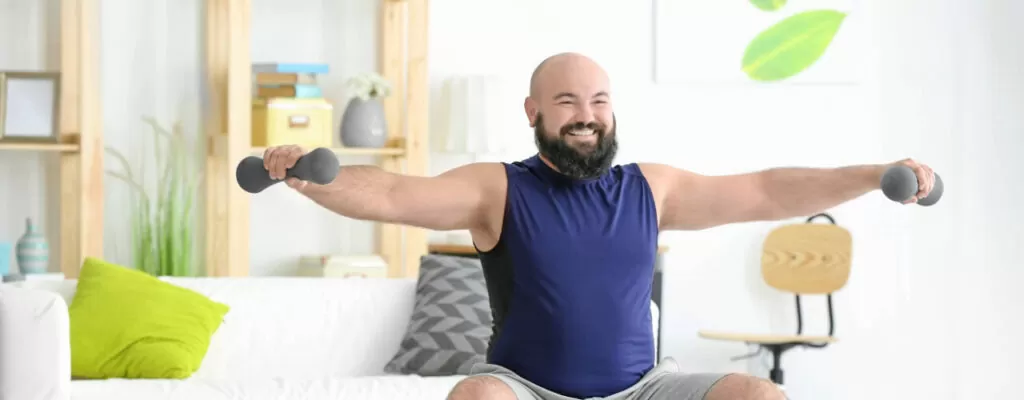
The rotator cuff is a group of muscles and tendons that stabilize the shoulder and allow for smooth movement. When injured, even simple tasks like reaching overhead, lifting objects, or sleeping comfortably can become painful. Whether caused by overuse, aging, or trauma, rotator cuff injury treatment requires a structured rehabilitation approach to restore strength, improve mobility, and prevent long-term complications.
Many people assume rest alone will heal a rotator cuff injury, but inactivity can lead to stiffness, weakness, and prolonged pain.
Read full blogWhy Physical Therapy Is Key After Foot and Ankle Surgery
Recovering from foot or ankle surgery can be challenging, requiring a balance of rest, mobility, and strengthening exercises. While some patients attempt to recover on their own, physical therapy after foot and ankle surgery plays a crucial role in ensuring proper healing, restoring mobility, and preventing complications. Without professional guidance, patients risk prolonged pain, stiffness, and limited function. Below, we compare the benefits of structured physical therapy versus a self-managed recovery approach and explore why professional care leads to better outcomes.
Read full blogWhy Physical Therapy Is Key for Treating Rotator Cuff Injuries

A rotator cuff injury can make everyday activities—like reaching for a shelf, carrying groceries, or even getting dressed—painful and frustrating. Many people assume rest and home exercises will be enough to heal the injury, but without proper rehabilitation, stiffness, weakness, and chronic pain can develop. Physical therapy for rotator cuff injuries provides structured, professional guidance to ensure proper healing, restore shoulder strength, and prevent future problems.
Below, we compare physical therapy to self-care methods, exploring the benefits, risks, and long-term outcomes of both approaches.
Read full blogUnderstanding Myofascial Release Techniques in Manual Therapy
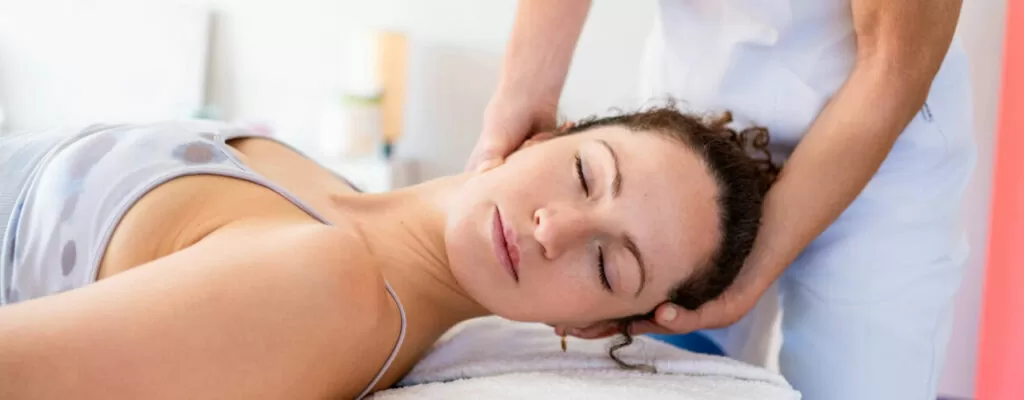
Muscle tension, stiffness, and chronic pain can make daily activities difficult. If you’re struggling with mobility or discomfort, myofascial release techniques may help. This hands-on therapy targets tightness in the fascia, the connective tissue surrounding muscles, to reduce pain and restore movement.
At , our physical therapists use these techniques to address various musculoskeletal conditions, helping patients move and feel better. Keep reading to learn more!